DESIGN PORTFOLIO
9-5
Board Game
Collaborators - Jeremy Kim, Dorelle Li, Katherine Yoon
In 9-5, players step into the world of office life as the Boss, HR, Employee, or Intern—each starting the day stressed and sharing one goal: to be a little less burnt out. With every spin, players navigate the daily grind of awkward meetings, surprise deadlines, and unexpected acts of kindness. They draw cards from coworkers and see how their choices between lowering stress or moving forward play out. Blending humor, empathy, and insight into work culture, the game brings experience to players and just maybe, prepares them to feel a little better about the grind.
01
Concept9–5 is a semi-collaborative redesign of the classic Game of Life, reimagined in a cooperative setting. Designed for college students and recent graduates, the game teaches those entering the corporate world healthy strategies for managing stress. Unlike academic environments, the workplace is hierarchical in nature and requires a more empathetic mindset. Through spin-based turns, players make decisions that affect not only their own stress and board position, but also those of their fellow players—highlighting the complexity of an office environment and prompting healthier methods of interaction and stress mitigation.
02
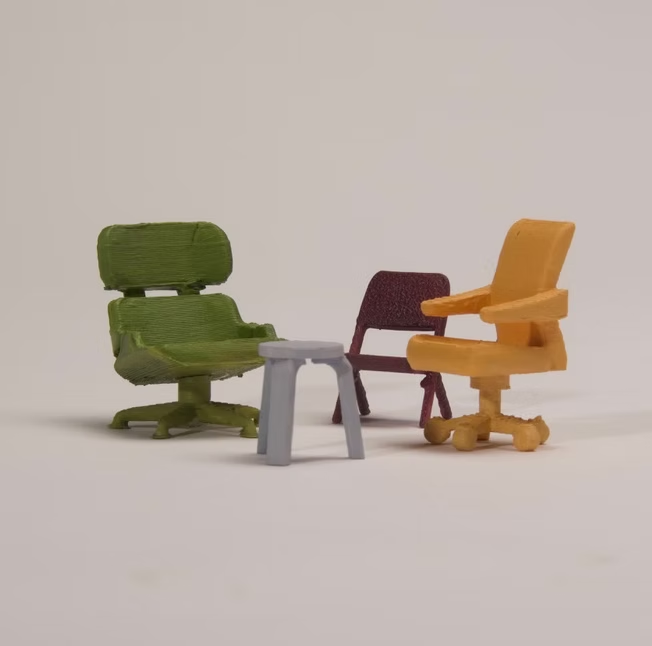
PlayersThere are 4 different players -
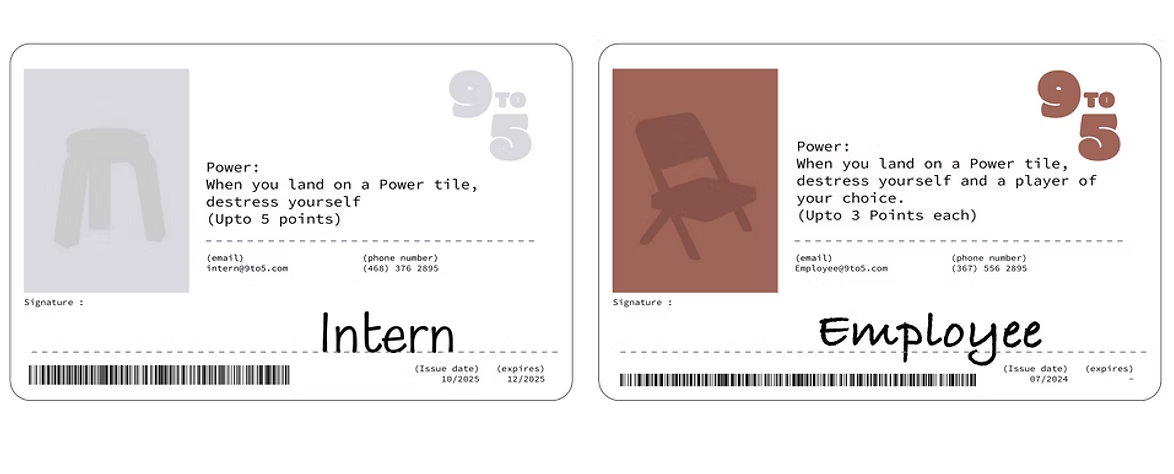
Intern: New to the office and eager to please. The Intern has the power to de-stress themselves by up to 5 points.
Employee: Well-adjusted to the day-to-day requirements of the job. The Employee has the power to de-stress themselves and one other player of their choice by up to 5 points each.
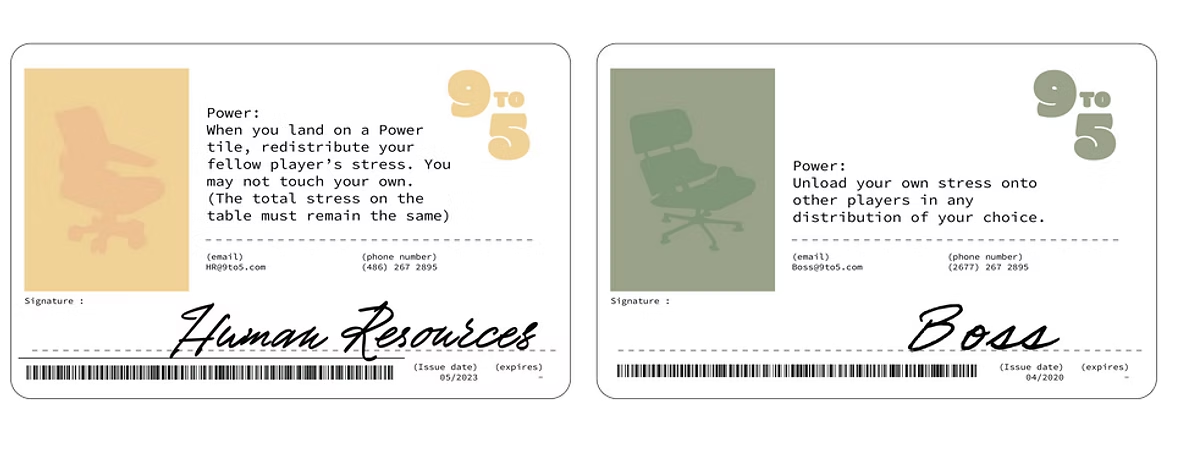
HR: Dedicated to the well-being of the office and its staff. HR has the power to redistribute stress among the other players.
Boss: In charge of the office. The Boss has the power to unload their own stress onto other players.
03
Components
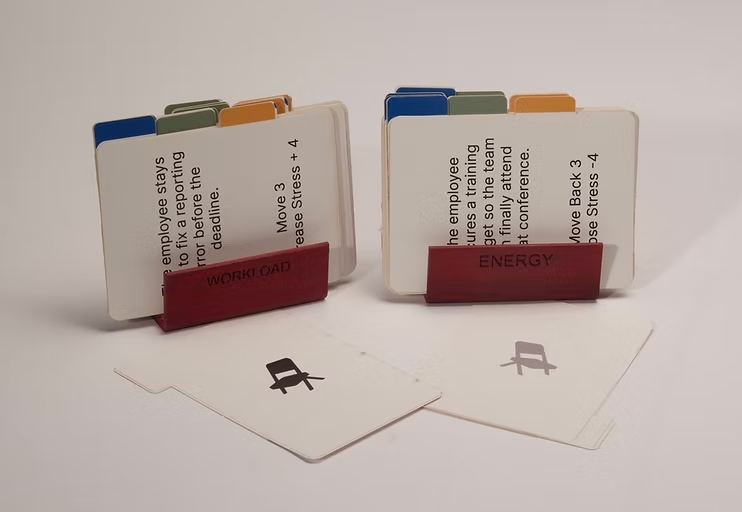
Cards
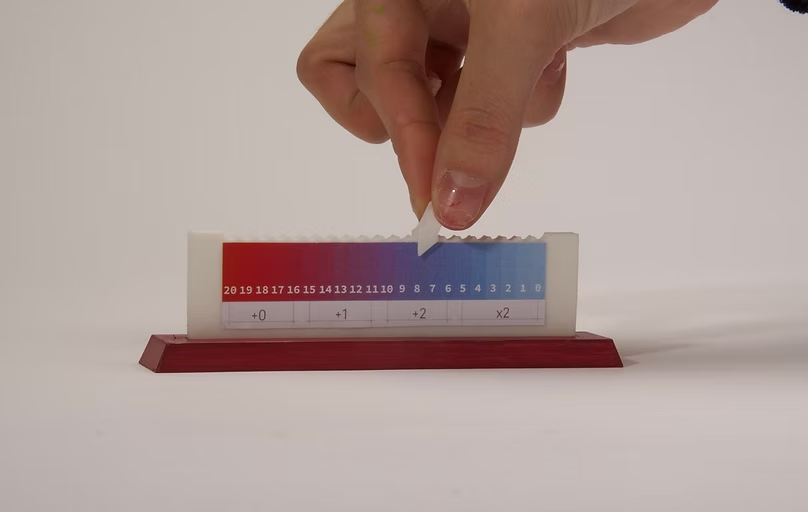
Stress Meter
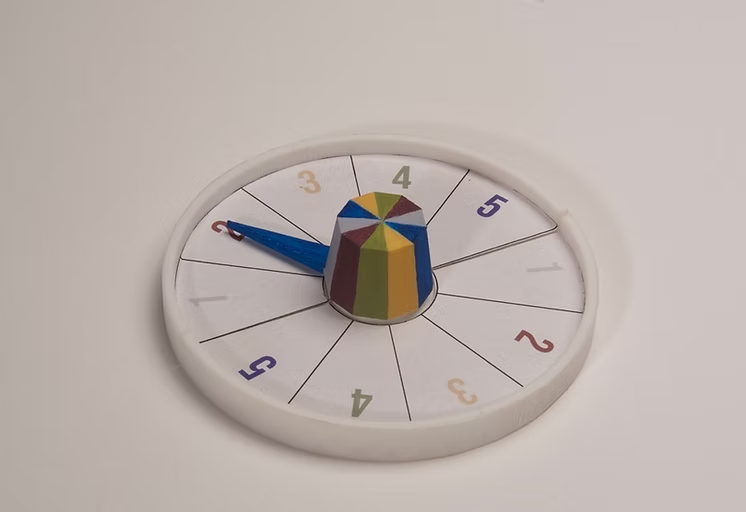
Spinner
04
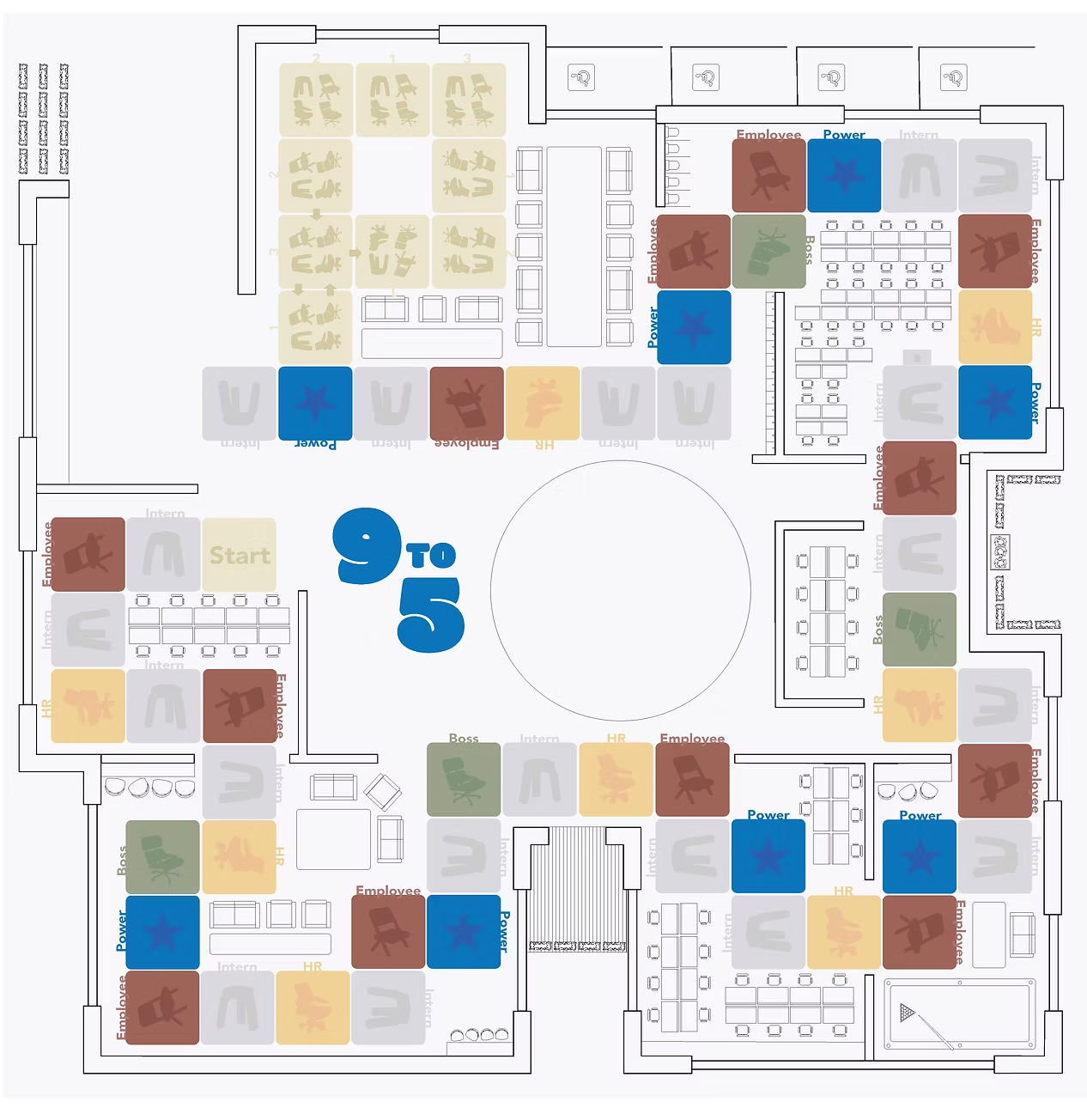
The goal of the game is to end your day and leave the office stress-free. You must make it to the end of the game board and exit with your stress level down to 0. However, there is a catch! You cannot leave unless everyone in the office is below a stress level of 10. Your goal is to go home with a relaxed mind, but you cannot do that if your coworkers are working overtime.
Each turn starts with the player spinning the clock in the center of the game board. They move the corresponding number of spaces along the game board. If their stress level is below 15, they get an added benefit that is seen on their stress bar and reflected on the game board.
The tiles on the board represent different players. The player who is currently playing their turn must then pick two cards from the pile of the player on whose tile they have landed - one energy and one workload card. For example, if the employee lands on the HR tile, they must take one energy card and one workload card from the HR's card pile. If they land on their own tile, they must pick from the community deck that affects multiple players.
The player must then choose between the two cards. An energy card decreases stress but pushes them backwards on the game board. A workload card increases stress, but pushes them forward. The card the player picks affects them. The card they discard affects the player from whose deck they picked the cards.
04
Manual
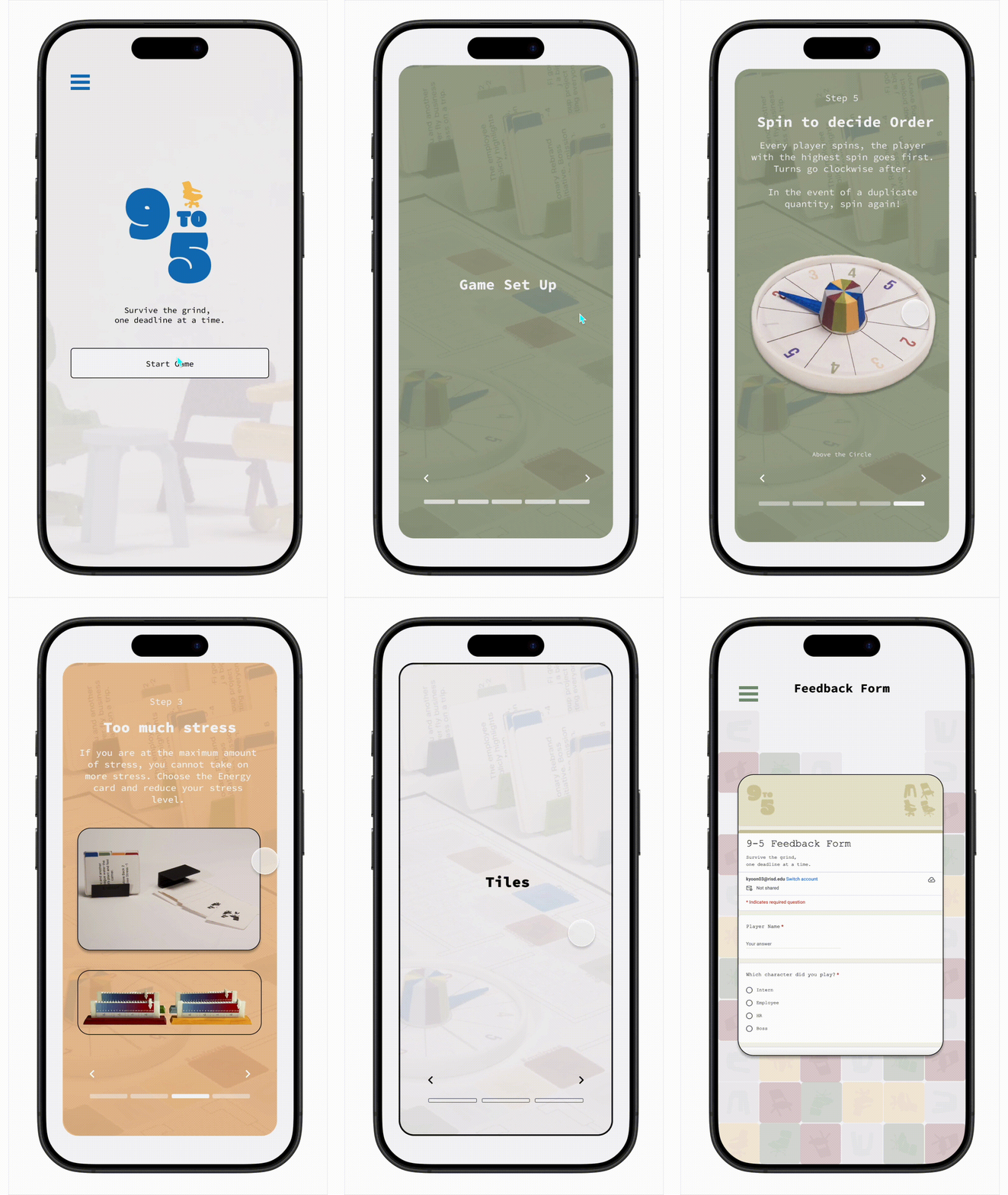
To make the instructions more accessible, we decided to make a web-based instructional manual rather than a traditional paper-based one. This also allows for multiple players to read the instructions at the same time, at their own pace.
A workable prototype can be found here -
9-5 Prototype - Figma
06
Playtesting